How to Write a Check: The Complete Beginner’s Guide to Filling Out Checks Correctly
Writing checks may seem old-fashioned in a world dominated by online banking, mobile payment apps, and digital wallets. However, checks remain an important financial tool used by millions of people for paying rent, making donations, paying contractors, gifting money, and handling transactions where electronic payments may not be practical.

Many younger adults have never received formal instruction on how to write a check. Even experienced check users occasionally make mistakes that can delay payments or create banking complications. Understanding how to write a check properly ensures your payments are processed smoothly and securely.
This comprehensive guide explains everything you need to know about how to write a check, from identifying the different parts of a check to avoiding common errors and protecting yourself from fraud. Whether you are writing your very first check or simply need a refresher, this article will provide all the information you need.
Understanding What a Check Is
A check is a written financial document that instructs a bank to pay a specific amount of money from your account to a person, business, or organization. Checks are linked directly to checking accounts and serve as a legally recognized form of payment.
Although electronic banking has become increasingly popular, checks continue to play a significant role in many financial transactions. Some landlords prefer checks, certain government offices accept checks, and many charitable organizations still receive donations by check.
Knowing how to write a check remains an important life skill. Unlike digital payments, checks provide a paper trail and can sometimes offer greater flexibility when making payments to individuals or businesses.
Why Learning How to Write a Check Still Matters
Many people assume checks are obsolete, but that is far from the truth. Businesses, schools, government agencies, and individuals continue to use checks regularly. Understanding how to write a check correctly helps you manage various financial situations confidently.
Checks are often used for large purchases, security deposits, tuition payments, taxes, gifts, and home-related expenses. They can also be useful when electronic payment systems are unavailable or when a recipient prefers a traditional payment method.
Additionally, knowing how to write a check demonstrates financial literacy and ensures you are prepared for situations where other payment options may not be accepted.
Parts of a Check Explained
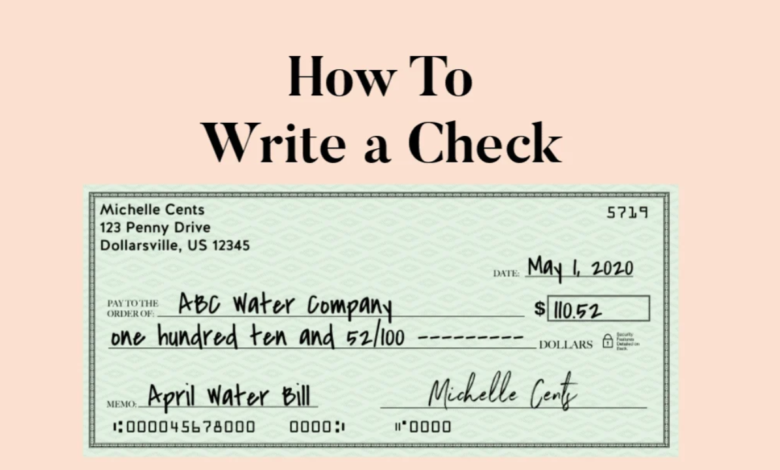
Before learning how to write a check, it is important to understand each section of the document.
| Check Component | Purpose |
| Date Line | Indicates when the check was written |
| Payee Line | Identifies who receives payment |
| Amount Box | Contains the payment amount in numbers |
| Amount Line | Contains the payment amount in words |
| Memo Line | Explains the purpose of the payment |
| Signature Line | Authorizes the payment |
| Check Number | Unique identifier for the check |
| Routing Number | Identifies the bank |
| Account Number | Identifies your checking account |
Each component serves a specific purpose and contributes to the validity of the check.
“Accuracy is the most important factor when writing a check. A single mistake can delay payment processing or cause the check to be rejected.”
How to Write a Check Step by Step
Learning how to write a check becomes much easier when broken into clear steps.
Write the Current Date
The first step is filling in the date line located in the upper-right corner of the check. Write the current date clearly using a standard format.
Examples include:
- June 3, 2026
- 06/03/2026
- 3 June 2026
The date tells the bank when the check was issued and helps maintain accurate records.
Always use the actual date whenever possible. Incorrect dates can cause confusion and may delay processing.
Enter the Recipient’s Name
On the line that begins with “Pay to the Order of,” write the name of the person or organization receiving payment.
Examples:
- John Smith
- ABC Construction LLC
- Community Food Bank
Be sure to spell names correctly. A misspelled name can create complications when the recipient attempts to deposit or cash the check.
Avoid leaving this section blank because someone else could potentially fill it in and misuse the check.
Write the Amount in Numerical Form
The small box to the right of the payee line is where you write the payment amount in numbers.
Examples:
- $50.00
- $275.99
- $1,250.00
Write clearly and place the dollar sign near the beginning of the box to prevent alterations.
If there is extra space after the amount, draw a line through the remaining area to discourage fraud.
Write the Amount in Words
Below the payee line is a longer line where the payment amount must be written in words.
Examples:
- Fifty and 00/100
- Two Hundred Seventy-Five and 99/100
- One Thousand Two Hundred Fifty and 00/100
The written amount serves as a backup verification. If the numerical amount and written amount differ, banks typically rely on the written amount.
This makes accuracy extremely important when learning how to write a check.
Fill Out the Memo Line
The memo section is optional but highly recommended.
You can use this area to describe the purpose of the payment.
Examples include:
- June Rent
- Invoice #4587
- Birthday Gift
- Utility Payment
The memo line helps both the payer and recipient maintain organized financial records.
Sign the Check
The final step in how to write a check is signing your name on the signature line.
Your signature authorizes the bank to withdraw funds from your account.
Without a valid signature, the check is generally considered invalid and will not be processed.
Always use the same signature style that your bank has on file.
Example of a Properly Written Check
A completed check might look like this:
| Field | Example |
| Date | June 3, 2026 |
| Payee | John Smith |
| Amount (Numbers) | $150.00 |
| Amount (Words) | One Hundred Fifty and 00/100 |
| Memo | Lawn Service |
| Signature | Your Signature |
This simple example demonstrates the correct format used when learning how to write a check.
Common Mistakes People Make When Writing Checks
Even small errors can create significant problems. Understanding common mistakes helps ensure successful transactions.
One frequent mistake is illegible handwriting. Banks and recipients must be able to read every section clearly. Sloppy handwriting increases the likelihood of processing issues.
Another common problem involves mismatched payment amounts. If the numerical amount differs from the written amount, confusion may occur and the bank may need clarification.
People also forget to sign checks surprisingly often. An unsigned check cannot be legally processed because it lacks authorization.
Leaving blank spaces is another serious issue. Empty areas can potentially be altered by dishonest individuals.
How to Avoid Check Fraud
Check fraud remains a concern despite modern banking security measures. Understanding how to write a check securely helps protect your finances.
Use permanent blue or black ink whenever possible. Pencil or erasable ink creates opportunities for alteration.
Never sign blank checks. Signing before completing all fields significantly increases fraud risk.
Store your checkbook in a secure location. Lost or stolen checks can lead to unauthorized transactions.
Regularly monitor your bank statements for unusual activity. Early detection helps minimize potential financial losses.
Voiding a Check Correctly
Sometimes you may need to provide a voided check for direct deposit setup, automatic bill payments, or payroll purposes.
To void a check:
- Write “VOID” across the front.
- Use large letters.
- Do not cover routing or account numbers.
- Keep the check for your records.
A voided check cannot be used for payment but still provides important banking information.
Post-Dated Checks Explained
A post-dated check contains a future date instead of the current date.
For example, if today is June 3 but you write June 15 on the check, it becomes post-dated.
Some people use post-dated checks when scheduling future payments. However, banks may still process them before the future date depending on policies and circumstances.
Because of this possibility, post-dating should not be relied upon as a guaranteed payment delay method.
How Long Is a Check Valid?
Most personal checks remain valid for approximately six months from the date written.
After six months, banks may consider the check stale-dated. While some banks may still honor older checks, many choose not to.
If a check remains uncashed for an extended period, contacting the recipient and possibly issuing a replacement may be necessary.
Maintaining accurate records helps track outstanding checks and avoid confusion.
When to Use a Check Instead of Digital Payments
Digital payments offer convenience, but checks still provide advantages in specific situations.
Checks can be useful when paying contractors, independent workers, landlords, schools, and charitable organizations. Some recipients prefer checks because they create a clear paper trail.
Checks also allow you to avoid certain electronic transaction fees and can serve as proof of payment when properly documented.
Understanding how to write a check ensures you remain prepared regardless of which payment method a situation requires.