Top TikTok Ad Mistakes Businesses Still Make and How to Fix Them
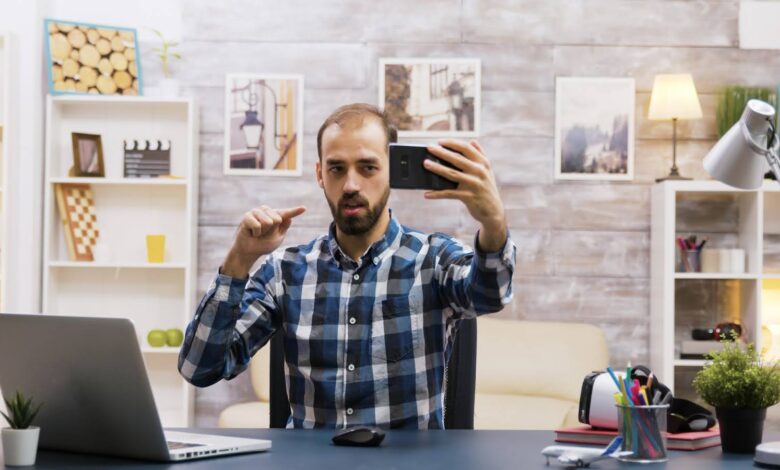
TikTok has become one of the most powerful paid media platforms for brand growth, product discovery, and direct response sales. With over 1.5 billion monthly active users and some of the highest average watch times in social media, it offers reach and engagement that most channels cannot match. Yet many businesses still struggle to get consistent results from TikTok ads.

The problem is rarely the platform itself. It is usually execution. Brands often apply old social ad habits to a platform that runs on very different content psychology and delivery mechanics. In this guide, we will break down the most common TikTok ad mistakes businesses still make and show exactly how to fix each one with practical, performance focused changes.
Why do many TikTok ads fail in the first three seconds?
Most failing TikTok ads lose attention immediately because the opening does not create urgency or relevance. Users scroll fast and decide in seconds whether a video deserves their focus.
Behavior studies on short form video show that users often decide to continue watching within about 2 seconds. TikTok platform guidance has also indicated that stronger early hooks can lift conversion rates by more than 30 percent. Yet many brands still start ads with slow logo reveals or generic product shots.
The fix is to front load the hook. Start with a bold claim, a sharp problem statement, or a surprising visual. Speak directly to a specific viewer type. For example, calling out “small business owners struggling with ad costs” is far more effective than “we are a leading solution provider.”
Test multiple hooks for the same core ad. In many accounts, hook variation alone creates a 2x difference in click through rate.
Why is overproduced creative hurting TikTok ad performance?
Many businesses assume higher production quality always leads to higher performance. On TikTok, that assumption often backfires because native style content builds more trust and relatability.
User generated style videos frequently outperform studio ads. Multiple agency benchmark reports have shown creator style TikTok ads delivering 20 to 50 percent higher click through rates than polished brand commercials. The platform culture favors authenticity over perfection.
Overproduced ads trigger what marketers call “ad recognition.” Users instantly label the content as an ad and scroll away. Native style videos feel like regular posts, so they earn more watch time.
The fix is to design ads that look and sound like organic TikTok content. Use real people, natural speech, simple filming setups, and direct demonstrations. Think creator first, brand second.
Are businesses targeting too narrowly on TikTok?
Yes, and it is one of the most expensive mistakes. Many advertisers import narrow targeting habits from older platforms and restrict delivery too early.
TikTok’s algorithm is highly behavior driven. It learns from engagement signals like watch time, replays, and clicks. When targeting is too tight at launch, the system has limited room to learn and optimize. This often leads to higher CPMs and unstable performance.
In many campaign audits, broad targeting combined with strong creative outperforms layered interest targeting. Broad ad groups often produce lower cost per acquisition after the learning phase because the system finds responsive pockets automatically.
The fix is to start broader than feels comfortable. Let creative and optimization signals guide delivery first. Narrow targeting should be used later for refinement, not at the very beginning.
Why do brands rely on one or two creatives for too long?
Creative fatigue happens fast on TikTok because users consume large volumes of content daily. Showing the same ad repeatedly leads to performance drop.
It is common to see TikTok ad frequency rise above 2.5 within days in smaller audiences. Performance data across ecommerce accounts shows that click through rates can drop 25 to 40 percent after heavy repetition of a single creative.
Many businesses delay creative refresh because production feels time consuming. That delay directly increases acquisition cost.
The fix is to build creative volume systems, not one off ads. Produce batches of variations. Change hooks, creators, captions, and proof points while keeping the same core offer. Brands that refresh top funnel creatives every 7 to 10 days often maintain more stable CPM and CTR trends.
Teams such as Vibe Marketing working alongside heyoz and specialized partners like a focused Tiktok ad agency model typically plan creative in modular formats so variations can be produced quickly without starting from zero each time.
Why do businesses push for sales too early in the funnel?
Many TikTok ads try to close the sale on the first touch. That approach ignores how users behave on the platform. Most people are in discovery mode, not buying mode, when they first see your ad.
Survey data has shown that more than 60 percent of TikTok users discover new products there before searching or purchasing elsewhere. That means early stage ads should focus on interest and education, not hard selling.
When brands push strong calls to action immediately, cold audience conversion rates stay low, often below 1 percent. Warmer retargeting audiences, in contrast, often convert at 3 to 5 percent or higher.
The fix is to build a staged funnel. Use top funnel ads for attention and curiosity, mid funnel ads for proof and explanation, and bottom funnel ads for offers and urgency. Match the message to the awareness level.
Is weak landing page alignment killing conversions?
Yes. Many TikTok campaigns fail after the click because the landing page does not match the ad message or experience.
TikTok is a fast, mobile first environment. If users click an ad that promises a specific benefit but land on a generic homepage, friction rises and conversions fall. Page speed also matters. Studies show that mobile pages taking more than 3 seconds to load can lose over 50 percent of visitors.
Message mismatch is another major issue. If the ad highlights a discount or result, that same promise should appear clearly above the fold on the landing page.
The fix is message match and speed optimization. Align headlines, visuals, and offers between ad and page. Use mobile optimized layouts and compressed media. Even small load time improvements can lift conversion rates by 10 to 20 percent.
Why do advertisers ignore TikTok specific metrics?
Some businesses judge TikTok campaigns only by last click conversions and ignore platform engagement signals. That leads to premature shutdown of good creatives.
TikTok optimization relies heavily on engagement behavior. Metrics like watch time, completion rate, and saves are early indicators of future performance. Ads with high watch time often become cheaper to deliver because the algorithm sees them as valuable content.
A healthy prospecting ad often shows:
- Click through rate above 1.5 percent
- Completion rate above 20 percent on short videos
- Strong average watch time relative to length
If these signals are strong but conversions are low, the problem may be the offer or page, not the ad itself.
The fix is to evaluate ads in stages. First judge attention metrics, then click metrics, then conversion metrics. This layered analysis prevents cutting future winners too early.
Are brands underinvesting in creator style content?
Many brands still try to produce all TikTok ads internally with brand teams. That limits creative diversity and platform fluency.
Creator led ads often perform better because creators understand pacing, tone, and storytelling patterns that feel native. Campaign reports across multiple verticals show that creator whitelisted ads and Spark Ads frequently outperform brand only ads in both engagement and conversion.
Creator content also scales variation. Different faces and voices reduce fatigue and expand audience relatability.
The fix is to include creators in your ad production pipeline. Even micro creators with small followings can produce high performing ad creatives when given clear briefs and product access.
Conclusion
TikTok ad performance problems are usually not caused by the platform. They come from outdated habits and mismatched execution. Slow hooks, overproduced creatives, narrow targeting, low creative volume, early hard selling, weak landing pages, and wrong metrics are the most common mistakes still hurting results.
The good news is that each of these mistakes has a clear fix. Focus on strong early hooks, native style videos, broader targeting, high creative variation, staged funnels, message matched pages, and platform specific metrics. When businesses align with how TikTok actually works, performance improves quickly and predictably.
Treat TikTok as its own advertising environment, not a copy of other social channels, and the results usually follow.