Weather Heatwave: Understanding Extreme Heat, Its Causes, Impacts, and Practical Ways to Stay Safe
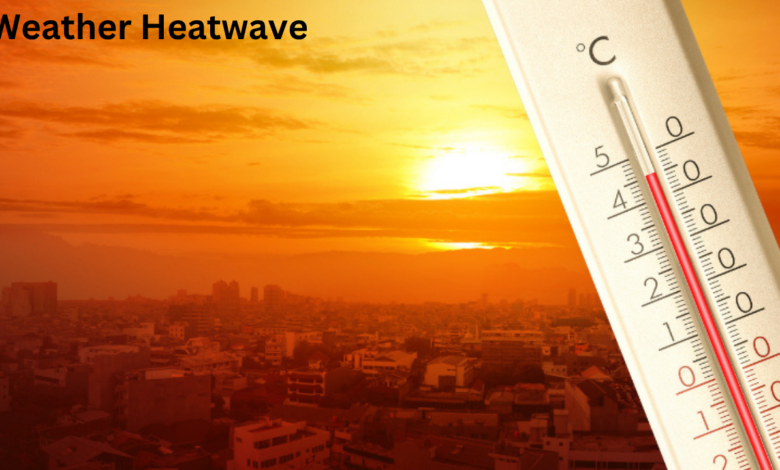
A weather heatwave is more than just a few hot days. It is an extended period of unusually high temperatures that can affect daily life, public health, agriculture, wildlife, and infrastructure. As climate patterns continue to change, heatwaves are becoming more frequent, lasting longer, and reaching higher temperatures in many parts of the world. Understanding how these events develop and how they influence people and the environment is essential for staying safe and making informed decisions.

Extreme heat can impact everyone, from children and older adults to outdoor workers and athletes. Even healthy individuals may experience dehydration, heat exhaustion, or reduced productivity during prolonged periods of excessive heat. Learning about the causes of these weather events and adopting simple preventive measures can reduce health risks while helping communities prepare for future temperature extremes.
What Is a Weather Heatwave?
A weather heatwave is generally defined as a prolonged period of significantly higher-than-average temperatures for a particular region. The exact definition varies from one country to another because climates differ around the world. What may qualify as a heatwave in one location might be considered normal summer weather in another.
Meteorologists determine a heatwave by comparing current temperatures with historical climate averages. They also consider how long the elevated temperatures persist and whether unusually warm nights prevent the environment from cooling down. These factors make heatwaves particularly stressful for people, animals, and ecosystems.
How Heatwaves Develop
Heatwaves typically form when a strong high-pressure system becomes established over a region. This weather pattern traps warm air near the surface and limits cloud formation, allowing intense sunlight to heat the ground throughout the day. As the ground warms, it releases additional heat into the surrounding air, causing temperatures to continue rising.
Dry soil can intensify this process because less moisture is available for evaporation. Without evaporative cooling, more solar energy directly increases air temperatures. Urban areas often become even hotter because roads, buildings, and concrete surfaces absorb heat during the day and release it slowly after sunset, creating the well-known urban heat island effect.
Why Weather Heatwaves Are Becoming More Common
Scientists have observed that many regions are experiencing more frequent and intense periods of extreme heat. Rising global temperatures have increased the likelihood of prolonged hot weather, making heatwaves a growing concern for governments, businesses, and families alike.
Natural climate variability still plays an important role in determining when and where heatwaves occur. However, long-term warming trends have shifted the baseline climate, meaning that exceptionally hot days are now more likely than they were decades ago. Researchers continue to study these changes to improve forecasting and help communities prepare for future events.
The combination of urban expansion, changing land use, and warmer global temperatures can amplify the effects of prolonged hot weather. Cities with limited green spaces often experience higher daytime and nighttime temperatures, increasing the health risks associated with extended heat.
The Effects of Extreme Heat on Human Health
Exposure to excessive temperatures can place significant stress on the human body. When temperatures remain high for several days, the body’s natural cooling mechanisms become less effective, especially when humidity is also elevated. Sweating may no longer provide enough cooling, increasing the risk of heat-related illness.
Dehydration is among the most common consequences of prolonged heat exposure. People lose fluids rapidly through perspiration, and failing to replace those fluids can lead to headaches, dizziness, muscle cramps, and fatigue. In more serious cases, heat exhaustion or heatstroke may develop, requiring immediate medical attention.
Individuals with existing heart, lung, or kidney conditions may be especially vulnerable during periods of extreme heat. Young children, older adults, and those working outdoors should take extra precautions by staying hydrated, limiting outdoor activities during the hottest hours, and seeking cool environments whenever possible.
Environmental Impact of Prolonged Hot Weather
Extended periods of unusually high temperatures affect far more than human health. Rivers and lakes may experience lower water levels due to increased evaporation, placing stress on aquatic ecosystems and reducing water supplies for agriculture and communities.
Wildlife also faces significant challenges during prolonged heat. Animals may struggle to find water, alter their feeding behavior, or migrate to cooler habitats. Plants experience heat stress as well, particularly when high temperatures coincide with drought conditions, reducing crop yields and affecting food production.
Forests become more vulnerable to wildfires during extended hot and dry periods. Dry vegetation can ignite more easily, allowing fires to spread rapidly under windy conditions. These events threaten biodiversity, homes, and critical infrastructure while releasing additional greenhouse gases into the atmosphere.
Conclusion
A weather heatwave is more than a period of uncomfortable temperatures. It is a significant weather event that can affect human health, the environment, agriculture, infrastructure, and daily life. As extreme heat becomes more common in many regions, understanding why heatwaves occur and how to respond to them has never been more important. Staying informed through reliable weather forecasts and taking simple precautions can greatly reduce the risks associated with prolonged high temperatures.
By preparing ahead of time, staying hydrated, protecting vulnerable individuals, and following guidance from trusted weather authorities, everyone can better cope with extreme heat. Communities, governments, and individuals all have a role to play in adapting to a warming climate and building resilience against future heatwaves. With greater awareness and practical action, it is possible to stay safe while minimizing the impact of extreme heat on people and the environment.
Frequently Asked Questions
What is a weather heatwave?
A weather heatwave is an extended period of unusually high temperatures compared to the normal climate of a specific region. It often lasts for several days or longer and may be accompanied by high humidity, increasing the risk of heat-related illnesses and environmental impacts.
What causes a weather heatwave?
A weather heatwave is usually caused by a persistent high-pressure system that traps hot air over an area. Clear skies and strong sunshine allow temperatures to rise, while dry conditions and urban heat islands can make the heat even more intense.
How can I stay safe during a weather heatwave?
Stay hydrated by drinking plenty of water, wear lightweight and breathable clothing, avoid outdoor activities during the hottest part of the day, and spend time in cool or air-conditioned places whenever possible. It is also important to check on children, older adults, and anyone who may be more vulnerable to extreme heat.
Can a weather heatwave affect the environment?
Yes. A weather heatwave can dry out soil, reduce water supplies, increase the risk of wildfires, damage crops, and place stress on wildlife. Prolonged extreme heat can also affect ecosystems by altering habitats and reducing biodiversity.
Are weather heatwaves becoming more common?
Research shows that many parts of the world are experiencing more frequent and intense heatwaves. While natural weather patterns still play a role, long-term climate change has increased the likelihood and severity of extreme heat events in many regions.