Car Dealership With Hearing Loop
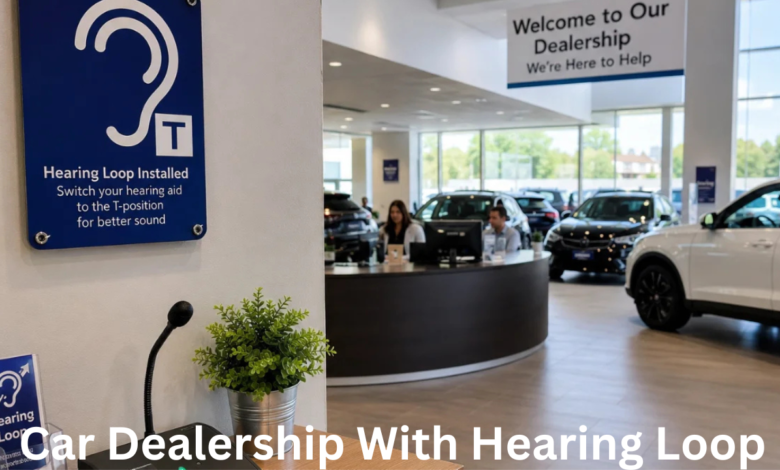
A car dealership with hearing loop technology is quickly becoming a game changer in the automotive industry. Modern dealerships are no longer focused only on selling vehicles. They are now expected to create welcoming, inclusive, and accessible environments for every customer who walks through the door. For individuals with hearing loss, visiting a dealership can sometimes feel stressful because conversations about pricing, financing, warranties, and vehicle features often happen in noisy showrooms. A hearing loop system helps remove those barriers and creates a smoother experience.
The idea behind a car dealership with hearing loop support is simple but powerful. Hearing loops transmit sound directly to hearing aids and cochlear implants equipped with telecoils. Instead of struggling to hear through background noise, customers receive crystal-clear audio directly into their devices. This small change can dramatically improve communication and customer confidence during the buying process.
As accessibility awareness continues to grow worldwide, dealerships are beginning to recognize that inclusive customer service is not optional anymore. Buyers appreciate businesses that value comfort, equality, and convenience. A car dealership with hearing loop technology sends a clear message that every customer matters.
Accessibility upgrades are also becoming a strong business advantage. Customers often recommend inclusive businesses to family and friends, especially when they feel respected and understood. Because of this, hearing loop systems are now viewed as both an accessibility solution and a smart investment for customer satisfaction.
Understanding What a Hearing Loop Is
A hearing loop, sometimes called an induction loop system, is an assistive listening technology designed for people with hearing loss. The system works by transmitting sound directly into compatible hearing aids or cochlear implants through magnetic signals. Unlike standard speakers, hearing loops reduce background noise and make speech easier to understand.
In a busy showroom, customers may struggle to hear sales representatives because of music, conversations, office phones, and vehicle demonstrations happening simultaneously. A car dealership with hearing loop technology helps eliminate these distractions. Customers can focus clearly on important discussions regarding financing, vehicle safety features, or contract terms.
The technology itself is relatively simple. A microphone captures the speaker’s voice, an amplifier processes the signal, and a loop wire sends the sound magnetically to hearing devices. Customers only need to switch their hearing aid to the “T” setting to receive the audio directly.
Many people assume hearing loops are only useful in hospitals or theaters, but that is changing rapidly. Businesses across different industries are adopting this technology to improve customer experiences. A car dealership with hearing loop accessibility creates a more welcoming atmosphere for everyone.
“Accessibility is not just compliance. It is customer respect in action.”
Hearing loops are especially valuable because they work discreetly. Customers do not need to borrow additional equipment or announce their hearing difficulties publicly. This makes the experience more comfortable and less stressful.
Another advantage is reliability. Unlike some wireless systems that depend on internet connections or battery-powered accessories, hearing loops offer stable performance with minimal user effort. This convenience is one reason many accessibility experts recommend hearing loop systems for public-facing businesses.
Why Accessibility Matters in Automotive Dealerships
Accessibility has become a major priority in modern business environments. Consumers expect companies to provide equal access to products and services regardless of physical ability. For automotive dealerships, this expectation is especially important because purchasing a vehicle involves detailed communication and complex decision-making.
A car dealership with hearing loop technology helps ensure that customers with hearing loss can fully participate in conversations without frustration or misunderstanding. This creates a more comfortable and respectful shopping experience.
Vehicle purchases are often emotional and financially significant decisions. Customers need to understand financing terms, warranty information, maintenance packages, and safety features clearly. If communication is difficult, buyers may feel uncertain or excluded. Hearing loops reduce these communication barriers and help customers feel more confident.
Accessibility improvements also reflect positively on brand reputation. Consumers increasingly support businesses that demonstrate inclusivity and social responsibility. A dealership that invests in hearing loop systems shows genuine care for customer well-being.
There is also a practical business advantage. Millions of people worldwide experience some degree of hearing loss. By creating accessible environments, dealerships expand their potential customer base and improve long-term loyalty.
Another important factor is family involvement. Vehicle purchases often involve multiple people, including spouses, parents, or children. If one family member struggles to hear important discussions, the overall experience can become frustrating for everyone. A car dealership with hearing loop support helps create smoother communication for entire families.
How a Car Dealership With Hearing Loop Improves Customer Experience
Customer experience is one of the most important factors in dealership success. Buyers remember how they were treated long after the purchase is complete. Clear communication plays a major role in creating positive impressions.
A car dealership with hearing loop technology improves customer experiences by making conversations easier and less stressful. Customers with hearing aids can hear speech more clearly without constantly asking representatives to repeat themselves.
This improved clarity creates stronger trust between staff and customers. Buyers feel more confident when they fully understand pricing details, financing options, and vehicle features. Misunderstandings are reduced, and conversations become more productive.
Another benefit is emotional comfort. Many people with hearing loss feel anxious in noisy environments because they worry about missing important information. Hearing loop systems help reduce this anxiety and make dealership visits more enjoyable.
The sales process itself also becomes smoother. Sales representatives spend less time repeating information and more time helping customers choose the right vehicle. This efficiency benefits both employees and buyers.
A car dealership with hearing loop systems also stands out from competitors. Accessibility features create memorable customer experiences that encourage positive reviews and referrals. In many cases, customers actively recommend inclusive businesses to friends and family.
Modern consumers appreciate businesses that pay attention to details. Small improvements like hearing loop systems can leave a lasting impression because they demonstrate empathy and professionalism.
Common Areas Where Hearing Loops Are Used in Dealerships
A hearing loop system can be installed in several areas throughout a dealership. Different spaces benefit from accessibility improvements depending on customer interaction levels.
Reception desks are one of the most common locations. Customers frequently ask questions about appointments, vehicle availability, or service scheduling at the front desk. A hearing loop helps ensure these conversations are clear and comfortable.
Finance offices are another critical area. Financing discussions often involve detailed explanations about interest rates, contracts, warranties, and payment plans. A car dealership with hearing loop technology in finance offices allows customers to hear every detail accurately.
Service departments can also benefit greatly. Customers discussing repair issues or maintenance recommendations need to understand technical information clearly. Hearing loops reduce confusion and improve communication between service advisors and clients.
Conference rooms and waiting areas are additional useful locations. Some dealerships host presentations or customer education sessions where hearing accessibility matters. Hearing loops ensure everyone can participate equally.
Showroom consultation spaces are especially important because they are often noisy environments. Music, conversations, and vehicle demonstrations create background noise that can make speech difficult to understand. Hearing loop systems help isolate important audio and improve clarity.
Some dealerships even install portable hearing loop systems for temporary events or outdoor sales activities. This flexibility allows businesses to maintain accessibility across different customer interactions.
Benefits for Employees and Staff Communication
While hearing loop systems are often discussed from a customer perspective, employees also benefit significantly from improved accessibility. Staff members with hearing loss may struggle in busy dealership environments filled with overlapping sounds and constant conversations.
A car dealership with hearing loop support creates a more inclusive workplace by helping employees communicate more effectively during meetings, training sessions, and customer interactions.
Better communication can improve employee confidence and productivity. Workers who can hear conversations clearly are more likely to engage actively with customers and coworkers. This leads to stronger teamwork and improved morale.
Dealerships that prioritize accessibility often attract a more diverse workforce as well. Employees appreciate companies that invest in inclusive environments and equal opportunities.
Training sessions become more effective when hearing loop systems are available. Staff members can follow discussions more easily and absorb information without unnecessary stress or confusion.
Managers also benefit because communication errors decrease. Clear conversations reduce misunderstandings related to scheduling, sales targets, or customer requests.
Inclusive workplaces often experience higher employee retention rates. Workers are more likely to stay with companies where they feel valued and supported. A car dealership with hearing loop accessibility demonstrates that commitment clearly.
Legal and Ethical Importance of Accessibility
Accessibility is not only about convenience. In many countries, businesses are legally required to provide reasonable accommodations for individuals with disabilities. Hearing loop systems can help dealerships meet accessibility standards and improve compliance efforts.
A car dealership with hearing loop technology demonstrates proactive responsibility rather than waiting for complaints or legal challenges. This approach protects both customers and businesses.
Ethically, accessibility reflects fairness and equality. Every customer deserves the ability to communicate comfortably and make informed purchasing decisions. Businesses that prioritize accessibility help create more inclusive communities.
Many organizations now evaluate companies based on diversity and inclusion practices. Accessibility improvements contribute positively to corporate image and social responsibility initiatives.
Government agencies and advocacy groups increasingly encourage businesses to adopt assistive listening technologies. Hearing loops are often recommended because they are effective, discreet, and easy to use.
Customers also pay attention to accessibility when choosing where to shop. Businesses that ignore accessibility concerns risk losing trust and damaging their reputation.
Creating inclusive environments should not be viewed as an obligation alone. It is also an opportunity to build stronger relationships with customers and employees alike.
Technology Behind Hearing Loop Systems
The technology behind hearing loops may sound advanced, but the concept is surprisingly straightforward. Understanding how these systems work helps explain why they are so effective in busy environments.
A hearing loop system includes three main components: a sound source, an amplifier, and a loop wire. The microphone captures speech, the amplifier processes the audio signal, and the wire creates a magnetic field that transmits sound directly to compatible hearing devices.
A car dealership with hearing loop technology allows customers to receive audio directly into their hearing aids without interference from background noise. This direct transmission is what makes conversations clearer and more understandable.
Telecoil technology is essential for hearing loop compatibility. Many modern hearing aids and cochlear implants already include telecoils, making hearing loops highly accessible without requiring extra equipment.
Another advantage is audio quality. Hearing loops often provide better sound clarity than traditional speaker systems because they bypass environmental noise completely.
Installation flexibility is another reason hearing loops are popular. Systems can be integrated into desks, counters, meeting rooms, or large open spaces depending on dealership needs.
Maintenance requirements are relatively low compared to other accessibility technologies. Once installed correctly, hearing loops provide long-term reliability with minimal operational effort.
Customer Trust and Brand Reputation
Trust is one of the biggest factors influencing vehicle purchases. Buyers want to feel confident that dealerships are transparent, respectful, and customer-focused. Accessibility improvements help strengthen that trust significantly.
A car dealership with hearing loop systems demonstrates attention to customer comfort and communication. This creates a positive emotional connection that can influence purchasing decisions.
Customers often remember how businesses made them feel rather than just the products they purchased. If a dealership provides a comfortable and inclusive environment, customers are more likely to return in the future.
Online reviews also play a major role in dealership success. Accessibility features often inspire positive customer feedback because they show genuine care and professionalism.
Families and community groups frequently recommend businesses that prioritize inclusion. Word-of-mouth marketing generated by accessibility improvements can be extremely valuable.
Brand reputation extends beyond direct customers as well. Local organizations, advocacy groups, and community leaders may recognize dealerships that actively support accessibility initiatives.
A strong reputation for inclusivity can help dealerships stand out in competitive automotive markets. Consumers increasingly value businesses that demonstrate social awareness and empathy.
Challenges Dealerships Face Without Hearing Loops
Dealerships that lack accessibility features may unintentionally create frustrating experiences for customers with hearing loss. Communication barriers can lead to confusion, misunderstandings, and reduced trust.
A noisy showroom environment can make it difficult for customers to hear discussions about pricing, warranties, or financing details. Without a hearing loop system, these conversations may become exhausting.
Customers who repeatedly struggle to hear information may feel embarrassed or excluded. Some may avoid asking questions entirely because they do not want to draw attention to their hearing difficulties.
Miscommunication can also create practical problems. Customers who misunderstand financing terms or service recommendations may later feel dissatisfied or misled.
A car dealership with hearing loop accessibility helps prevent these issues by creating clearer communication channels from the beginning.
Another challenge is customer retention. Buyers who experience communication difficulties may choose competing dealerships that offer more accessible environments.
Negative experiences can also affect online reputation. Poor communication often leads to negative reviews and reduced customer satisfaction scores.
Ignoring accessibility can limit business growth opportunities as well. Inclusive businesses attract broader audiences and build stronger community relationships.
Future Trends in Accessible Automotive Retail
The automotive industry is evolving rapidly, and accessibility is becoming a more important part of dealership design and customer service strategies. Businesses are beginning to recognize that inclusive environments benefit everyone.
A car dealership with hearing loop technology represents part of a larger movement toward universal accessibility. Future dealerships may integrate multiple assistive technologies to improve customer experiences even further.
Smart communication systems, digital accessibility tools, and AI-driven customer support are already transforming retail environments. Hearing loops fit naturally into this trend because they improve communication in simple yet effective ways.
Consumers are also becoming more informed about accessibility rights and expectations. Businesses that fail to adapt may struggle to remain competitive in the future.
Automotive brands themselves are increasingly supporting inclusive dealership standards. Some manufacturers encourage accessibility upgrades as part of broader customer service initiatives.
Technology improvements may also make hearing loops even more efficient and affordable over time. Portable systems, wireless integrations, and enhanced audio quality are already expanding possibilities.
A car dealership with hearing loop support today positions itself ahead of future accessibility expectations. Early adoption demonstrates leadership and customer commitment.
How Dealerships Can Promote Accessibility Features
Installing accessibility technology is only part of the process. Customers also need to know these features are available. Effective communication helps maximize the value of accessibility investments.
Dealership websites should clearly mention hearing loop availability. Customers researching accessible businesses online appreciate detailed information before visiting.
Visible signage inside the dealership is equally important. Hearing loop symbols help customers identify supported areas quickly and confidently.
Staff training also plays a major role. Employees should understand how hearing loop systems work and how to assist customers who may need guidance.
Social media platforms can help dealerships highlight accessibility improvements as well. Sharing inclusive initiatives demonstrates community awareness and customer care.
A car dealership with hearing loop systems can also collaborate with local hearing loss organizations or accessibility advocates. These partnerships strengthen credibility and community engagement.
Customer feedback should be encouraged too. Reviews and testimonials from individuals who benefit from hearing loops can help other customers feel more comfortable visiting the dealership.
Accessibility marketing should feel genuine rather than promotional. Customers respond positively when businesses demonstrate authentic commitment to inclusion.
The Financial Value of Accessibility Investments
Some businesses initially worry about the cost of accessibility upgrades, but hearing loop systems often provide strong long-term value. Inclusive customer experiences can directly influence sales performance and brand loyalty.
A car dealership with hearing loop technology may attract customers who specifically seek accessible businesses. This broader customer reach creates additional revenue opportunities.
Satisfied customers are also more likely to return for future purchases, maintenance services, and referrals. Long-term customer relationships are extremely valuable in the automotive industry.
Accessibility improvements can reduce communication misunderstandings as well. Clearer conversations help minimize customer dissatisfaction and improve transaction efficiency.
In some regions, businesses may qualify for grants, tax incentives, or accessibility support programs when implementing assistive technologies. These financial benefits can offset installation costs.
Another important factor is reputation protection. Inclusive businesses often receive more positive community recognition and customer trust.
Accessibility should not be viewed only as an expense. It is an investment in customer experience, employee support, and long-term business growth.
Building Inclusive Communities Through Accessibility
Businesses play an important role in shaping community experiences. Inclusive environments help people feel valued, respected, and connected. Automotive dealerships are no exception.
A car dealership with hearing loop systems contributes to broader community accessibility efforts by reducing communication barriers for individuals with hearing loss.
These improvements also encourage social participation. Customers who feel comfortable communicating are more likely to engage confidently in purchasing decisions and community activities.
Inclusive businesses often inspire other companies to improve accessibility as well. One dealership adopting hearing loops may encourage neighboring businesses to consider similar upgrades.
Community organizations and advocacy groups frequently support businesses that prioritize accessibility. Positive partnerships can strengthen local reputation and customer relationships.
Accessibility improvements also send a powerful message about equality. They demonstrate that businesses recognize and respect diverse customer needs.
Creating accessible environments benefits everyone, not only individuals with hearing loss. Clear communication improves customer experiences universally and contributes to more welcoming public spaces.
Conclusion
A car dealership with hearing loop technology represents more than just an accessibility upgrade. It reflects a commitment to clear communication, customer respect, and inclusive business practices. In an industry built on trust and personal interaction, these qualities matter enormously.
Hearing loop systems help customers with hearing loss participate confidently in conversations about vehicles, financing, warranties, and services. They reduce stress, improve understanding, and create more comfortable dealership experiences.
Accessibility also benefits employees, strengthens brand reputation, and supports long-term business growth. Dealerships that invest in inclusive technologies demonstrate leadership and forward-thinking customer care.
As awareness of accessibility continues to grow, hearing loop systems are likely to become increasingly common in automotive retail spaces. Businesses that adopt these solutions early position themselves as welcoming, modern, and customer-focused.
Ultimately, a car dealership with hearing loop support creates a better experience for everyone involved. Clear communication builds trust, trust strengthens relationships, and strong relationships drive long-term success.
FAQ About Car Dealership With Hearing Loop
What is a car dealership with hearing loop?
A car dealership with hearing loop technology uses assistive listening systems that transmit sound directly to compatible hearing aids and cochlear implants. This helps customers hear conversations clearly despite background noise.
Why is a hearing loop important in a car dealership?
A hearing loop improves communication between customers and dealership staff. It helps people with hearing loss understand discussions about financing, warranties, vehicle features, and service recommendations more easily.
Do customers need special devices to use a hearing loop?
Most modern hearing aids and cochlear implants already include telecoil functionality. Customers usually only need to switch their device to the “T” setting to access the hearing loop system.
Can hearing loops be installed in all dealership areas?
Yes, hearing loops can be installed in reception desks, finance offices, service departments, meeting rooms, and showroom consultation spaces. Some dealerships also use portable systems for events.
Does a car dealership with hearing loop technology benefit employees too?
Absolutely. Employees with hearing loss can communicate more effectively during meetings, training sessions, and customer interactions. This creates a more inclusive and supportive workplace.
Are hearing loop systems expensive to maintain?
Hearing loop systems generally require minimal maintenance after installation. They are known for reliability, durability, and long-term performance compared to many alternative accessibility technologies.
How can customers identify a dealership with hearing loop support?
Dealerships often display hearing loop symbols near reception desks, meeting areas, or service counters. Many also mention accessibility features on their websites and social media pages.